Stub Rawls
The OutlawsStub Rawls is the ramrod of a cattle outfit who offers Del Delaney, John Smith, and The Kid a place in its crew before suggesting that they seek money in Roily. His importance lies in the contrast he embodies: he can offer the drifters legitimate work, yet he also presents bank robbery as a practical route to the independence they cannot afford. The narrative does not show Rawls taking part in their criminal plans, but his advice helps set their next choice in motion.
Identity and Introduction
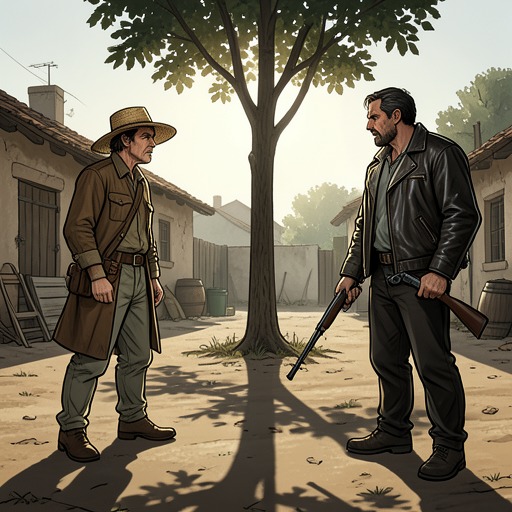
Rawls supervises the outfit’s crew and is introduced to Del by John Smith, who brings Del along in the hope that the ranch can use him. Smith identifies Rawls as the man who ramrods the operation. Their greeting is direct and cordial: Rawls shakes hands with the newcomers before looking Del over and considering whether he can work there.
The narrator describes Rawls as squat, with pale blue eyes and a firm handshake. These details accompany a consequential first impression rather than a dramatic confrontation. Rawls studies Del, pauses to chew on his lower lip, and then offers him work. The ranch boss is absent, so the offer is provisional: Del has a job until the boss decides otherwise. Rawls can bring him into the crew, but the qualification makes clear that his own authority has limits.
Work on the Outfit
Rawls’s decision gives Del, Smith, and The Kid a brief chance to earn money through ranch work. Del has not been eating regularly and appreciates the opportunity. After making the offer, Rawls turns toward the cook shack because it is time for the crew to eat. The scene places hiring within the ordinary routines of the outfit: a handshake, a place in the crew, and a meal after work.
Del’s view of the ranch hands is mostly favorable. He sees them as young and friendly, not the kind of bullies a worker would have to fight or manage by riding a dangerous horse. He suspects that many, like himself and his companions, are drifters or people avoiding trouble, but presents that as his impression rather than established fact. Rawls, by contrast, is the known working authority among them. The difference matters: the three newcomers arrive without secure prospects, while Rawls can offer immediate employment, even if only on terms subject to the absent boss.
Advice About Roily
Rawls later responds to The Kid’s doubts about the outfit. The Kid sees a good spread, a capable crew, and grass that is coming on, and wonders why the operation seems not to value its workers. Rawls does not resolve that complaint. Instead, he offers a broad, hard-minded view of life in the country: survival is difficult, and the young men may soon move on.
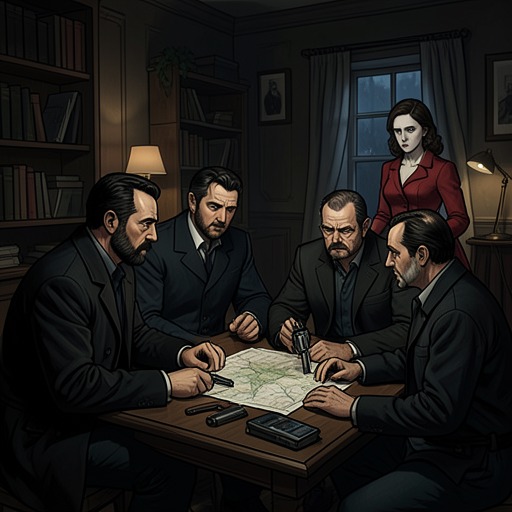
He then turns their restlessness toward a possible alternative. If he were young and drifting, he says, he would raise a little money and find an outfit to buy; the three companions, who get along well, might combine their efforts. The suggestion recognizes their companionship as a possible basis for shared ambition, but it also exposes the immediate barrier: The Kid answers that together they could not afford even the hind end of one steer. Rawls’s next proposal shifts the means from work and saving to crime. He tells them about Roily, an old mining camp in the San Juan Mountains whose mines have played out, but which remains the county seat and has a bank. He estimates that the bank may contain little, but enough for a stake.
Rawls presents the opportunity as practical advice, not as a confession of criminal intent or an invitation to join him in a robbery. The distinction is important. He identifies a target and explains why its money might serve the companions’ stated need, but the text does not say that he plans to accompany them or share in what they take. The three men look at one another after he walks away, each apparently arriving at the same thought. His proposal has supplied a concrete destination and a possible source of capital; their response belongs to them.
Departure and Narrative Significance
After deciding to leave, the three tell Rawls the next morning that they are quitting. He pays them, appears unsurprised, wishes them luck, and shakes hands with each man. The exchange closes their employment without a dispute. It also completes the movement from Rawls’s provisional offer of honest work to the possibility of a bank robbery: the men depart the ranch for Roily, and Rawls does not attempt to stop them.
The timing gives his counsel an understated force. Rawls first makes work available, then, when the newcomers question the outfit and their prospects, describes a route to the money they lack. His advice does not erase the differences among the men or prove that they are already committed to a life of crime. Later, The Kid says he has killed three men and held up or helped hold up six banks, while John Smith says he is effectively implicated in a bank robbery and faces a first-degree murder charge at home. Those disclosures clarify the unequal positions of the companions, but they do not establish that Rawls knew these particulars when he spoke. By leaving that knowledge unstated, the narrative keeps his role specific: he is the ranch ramrod whose suggestion makes Roily and its bank newly salient, not a demonstrated member of the group’s criminal enterprise.